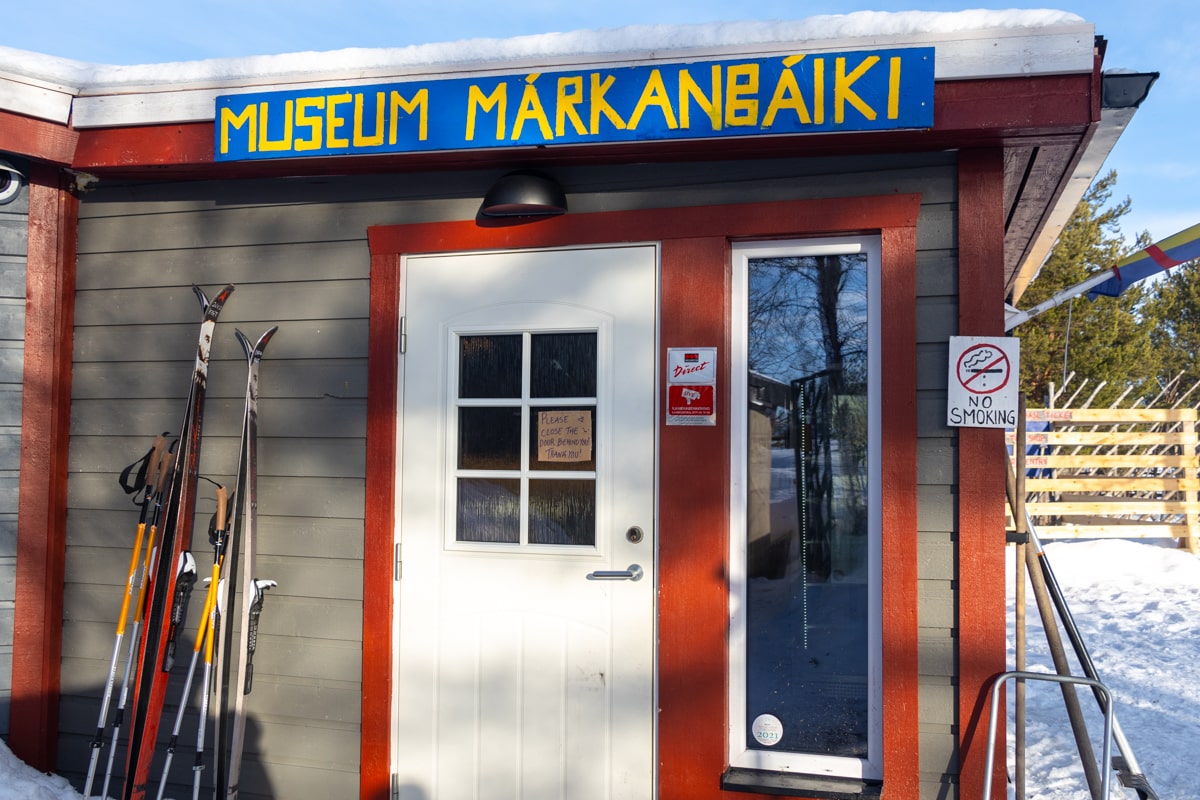
In Jukkasjärvi, near the famous Icehotel, you’ll find an open-air museum dedicated to the history of the local population: the Sámi. It’s called Márkanbáiki, meaning “marketplace”, because the village grew up around this market.
Indeed, long ago, it was here, on the banks of the Torne River, that the Sámi gathered to sell their possessions and creations. Here you can learn more about this little-known people. You can also buy some souvenirs, eat a traditional meal and even stroke some reindeer!
In this article, we’ll explain in detail all the practical information you need to know about the Jukkasjärvi Sámi Museum, and what you can actually do there.
Practical information about the Sámi Museum in Jukkasjärvi
Here’s what you need to know before setting off for the Sámi Museum.
Admission prices
Admission prices (2026) are as follows:
- Adult: 275 SEK
- Children aged 3 to 12: 135 SEK
- Students and seniors: 220 SEK
Please note that admission does not include meals, which you’ll have to pay for separately!
Take advantage of this activity to immerse yourself in the heart of Sámi culture. A van will pick you up in front of your hotel and drop you off in front of the museum. Afterwards, you'll be able to enjoy the museum for a day. Open-air museum, reindeer corral, traditional restaurant and craft store... You'll enjoy discovering this unique culture, and will leave with many fond memories.
Jukkasjärvi Sámi Museum opening hours
The open-air museum and gift shop are open daily from 10 am to 4 pm (10 am to 2 pm on December 24). The Ovttas restaurant next to the shop offers different menus depending on the time of day: lunch or a fika break during the day and, in winter, dinner in the evening.
Visit duration
If you want to visit the open-air museum, see the reindeer, buy a few souvenirs in the store and have a hot meal at the Ovttas restaurant, allow 2 full hours for this cultural tour.
How do I get there?
If you’re driving from Kiruna, simply follow the E10 east, then turn off toward Jukkasjärvi. You’ll pass the Icehotel, which is very well signposted, and drive on for another 900 meters or so.
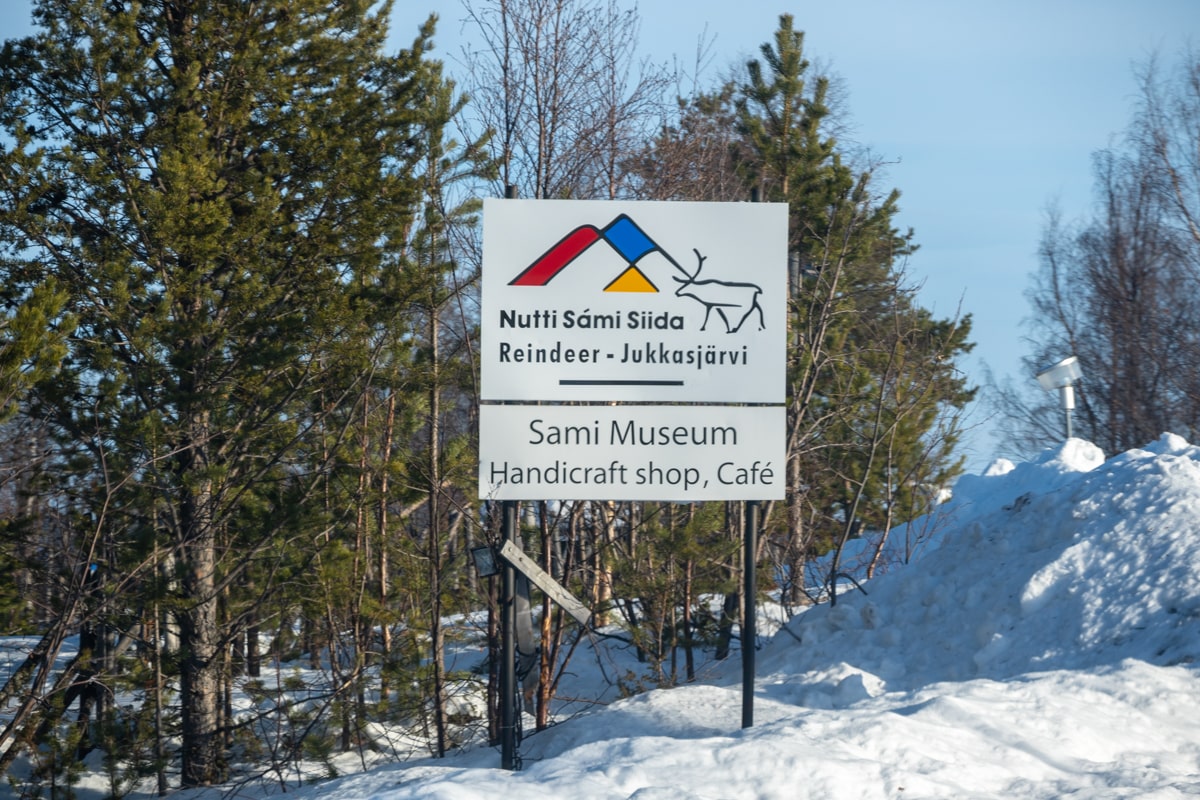
You’ll then come to a traffic circle, where you’ll find the Jukkasjärvi church and museum. You can park in front, although spaces are sometimes a little limited at busy times; you’ll always find one in the end.
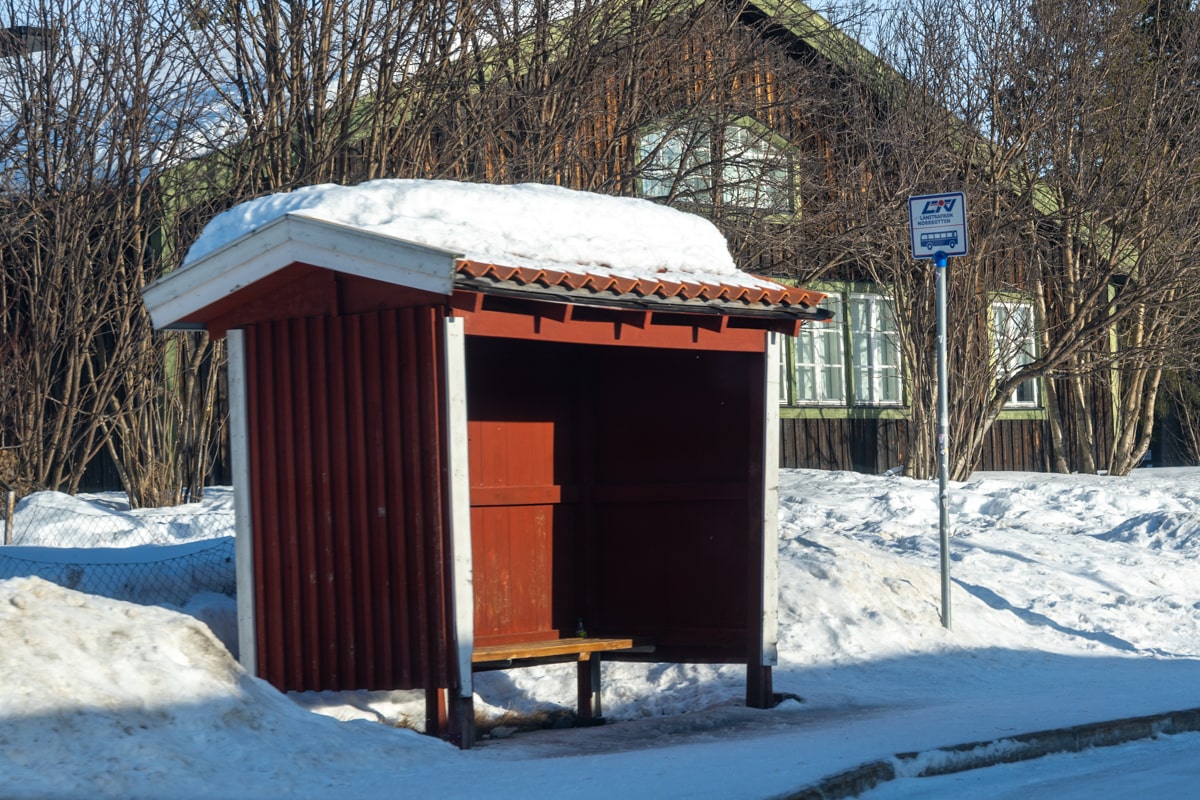
You can also get here by bus, taking bus 501 and getting off at Jukkasjärvi Kyrkan. The journey from central Kiruna takes around thirty minutes.
On foot, from the Icehotel or the center of Jukkasjärvi, allow around 15 minutes. If it snows, be careful not to slip!
What can you see in Jukkasjärvi’s Sámi Museum?
The museum has three main areas to visit.
The Márkanbáiki
This open-air museum presents in detail the traditional lifestyle of the Sámi people: culture, traditions, clothing, tools, housing… You’ll learn a lot about this traditionally nomadic reindeer herding people.
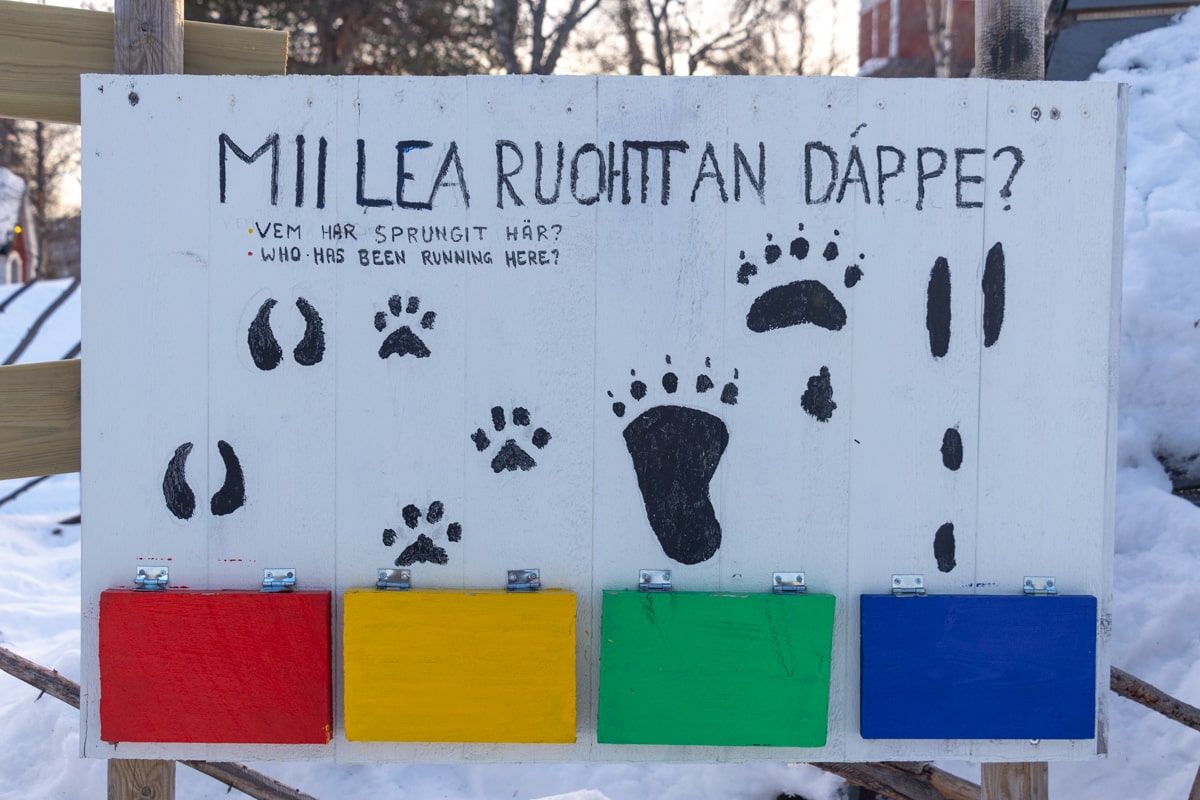
You’ll also discover the many forms of art and craft that have shaped their history. The visit is fun and suitable for everyone, thanks in particular to the small educational play area for children.
The tour is pleasant and varied, thanks to the many explanatory panels dotted around the site.
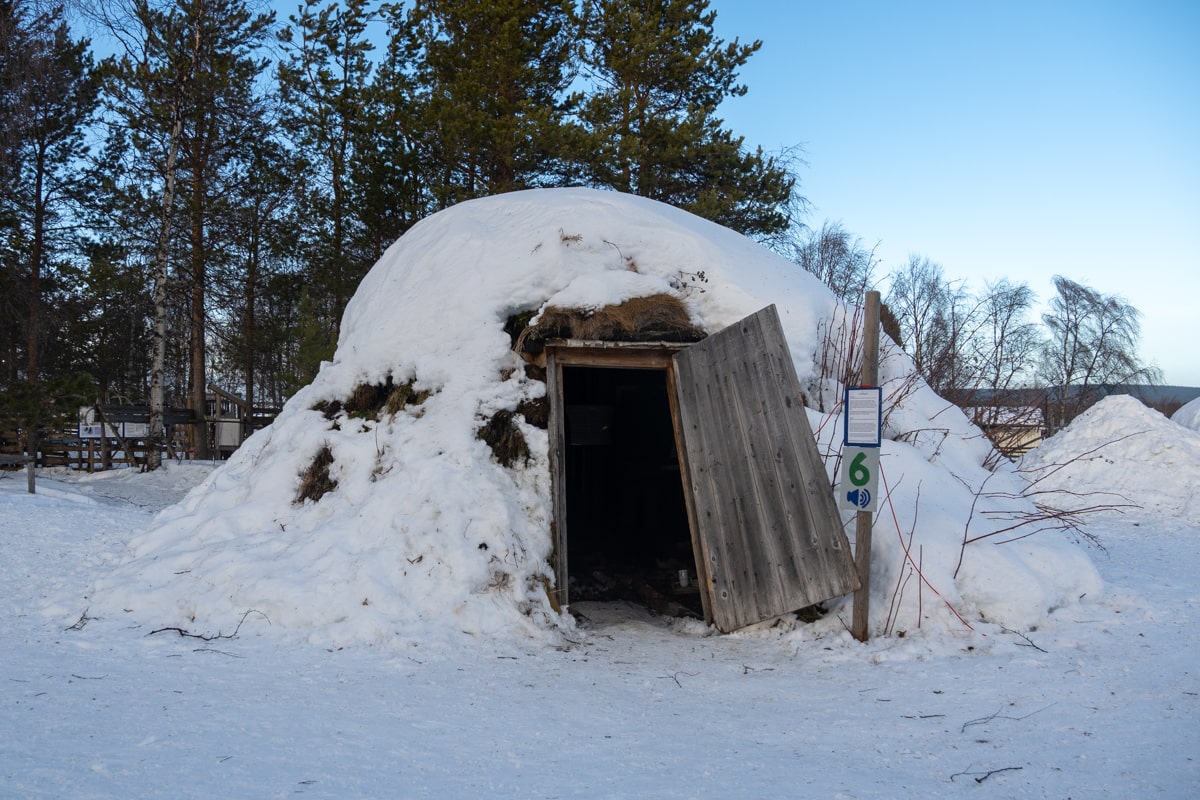
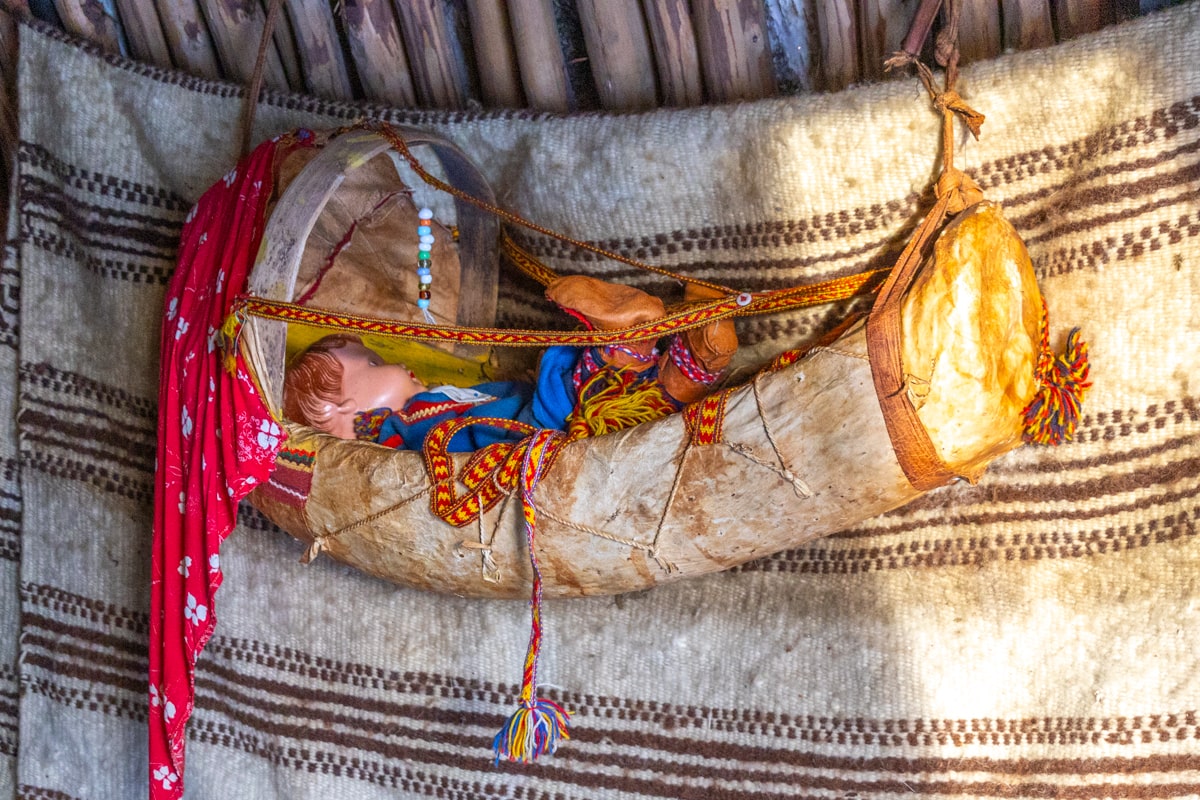
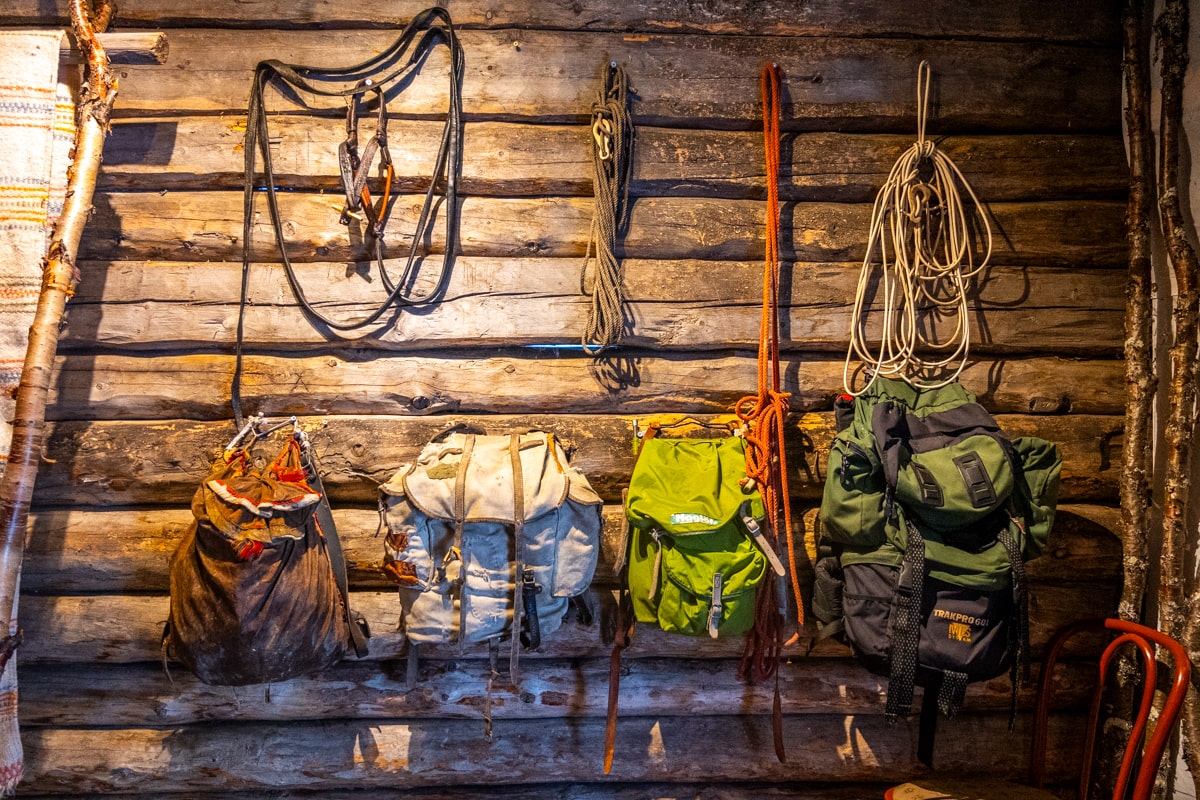
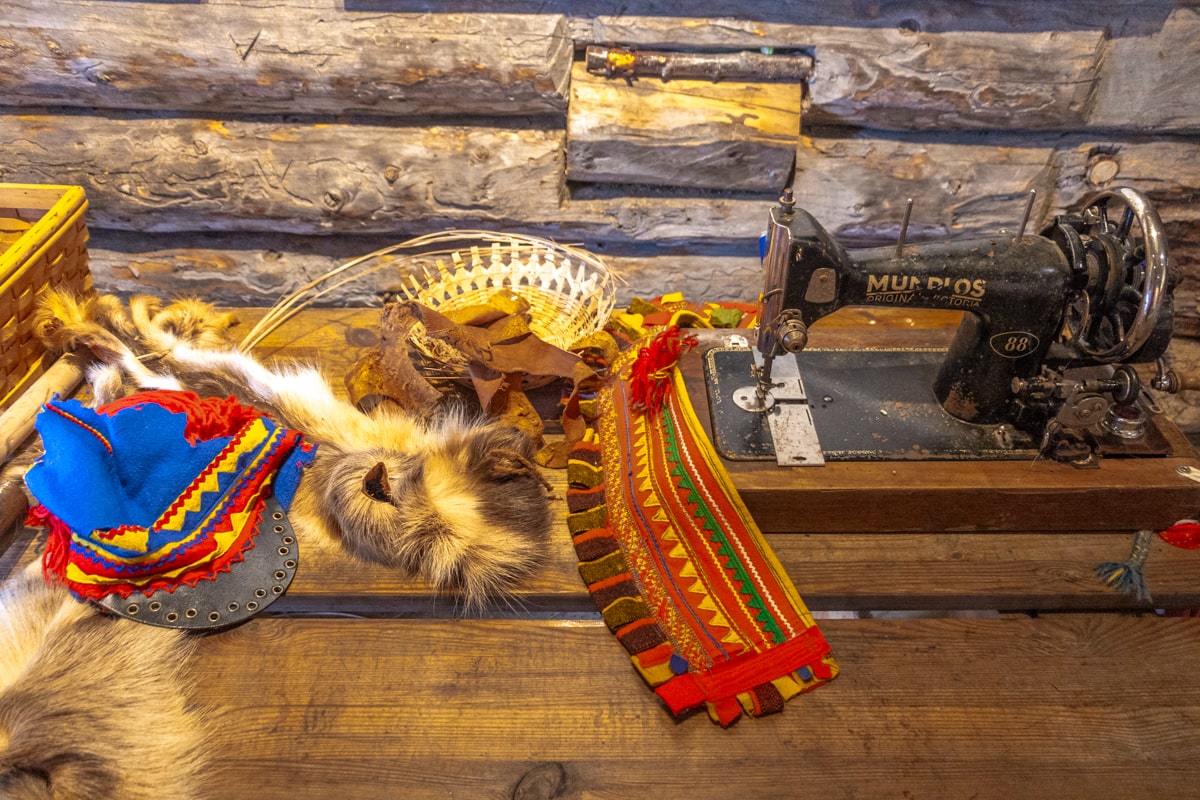
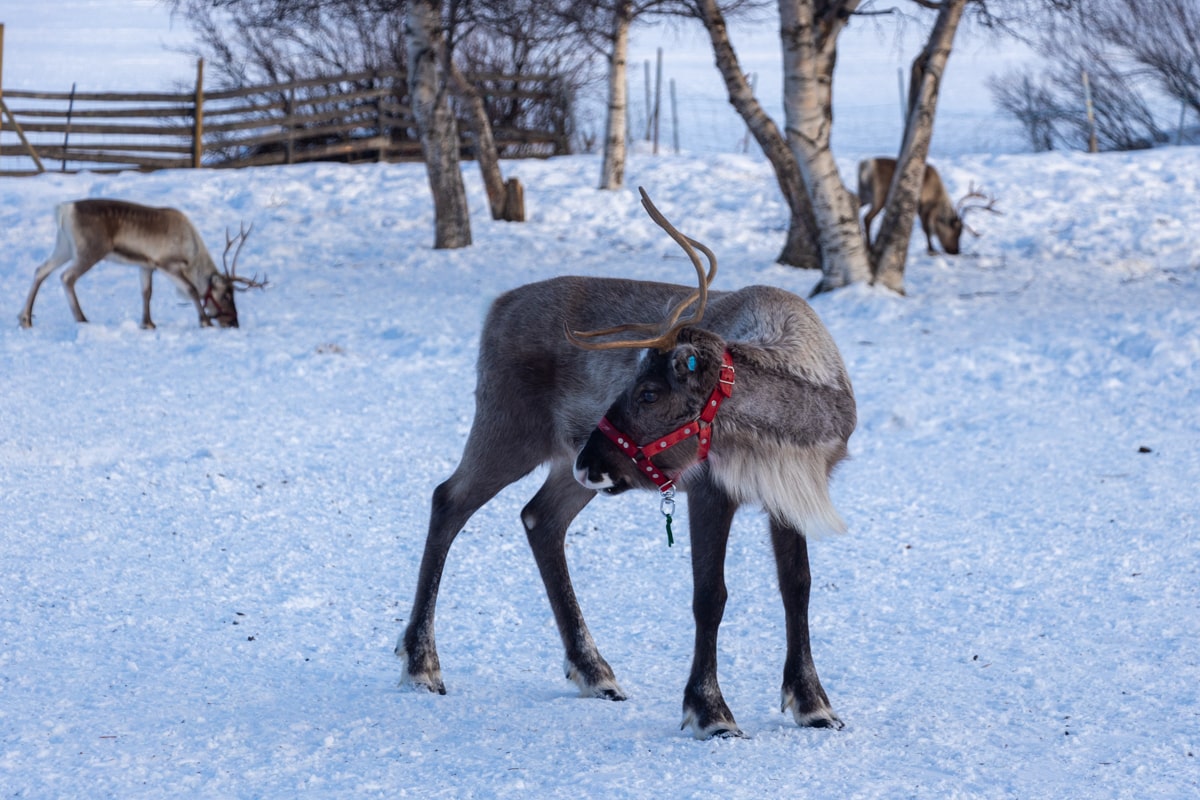
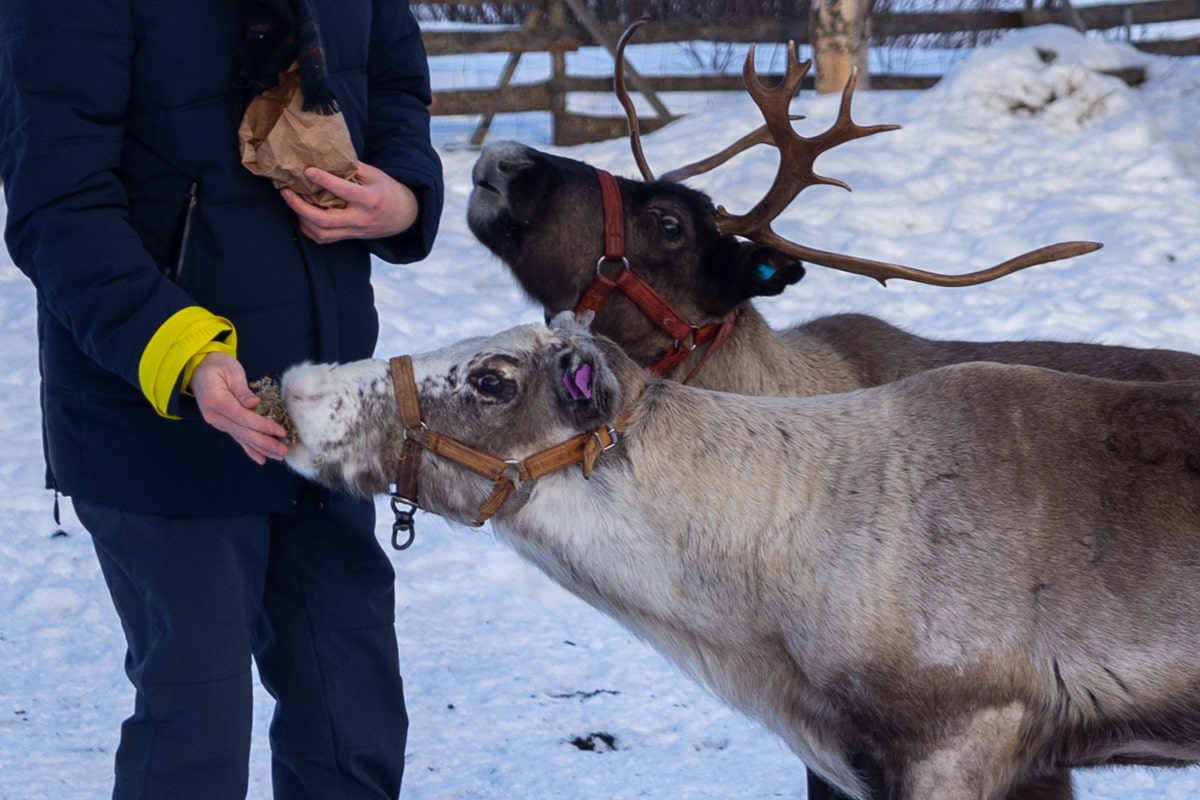
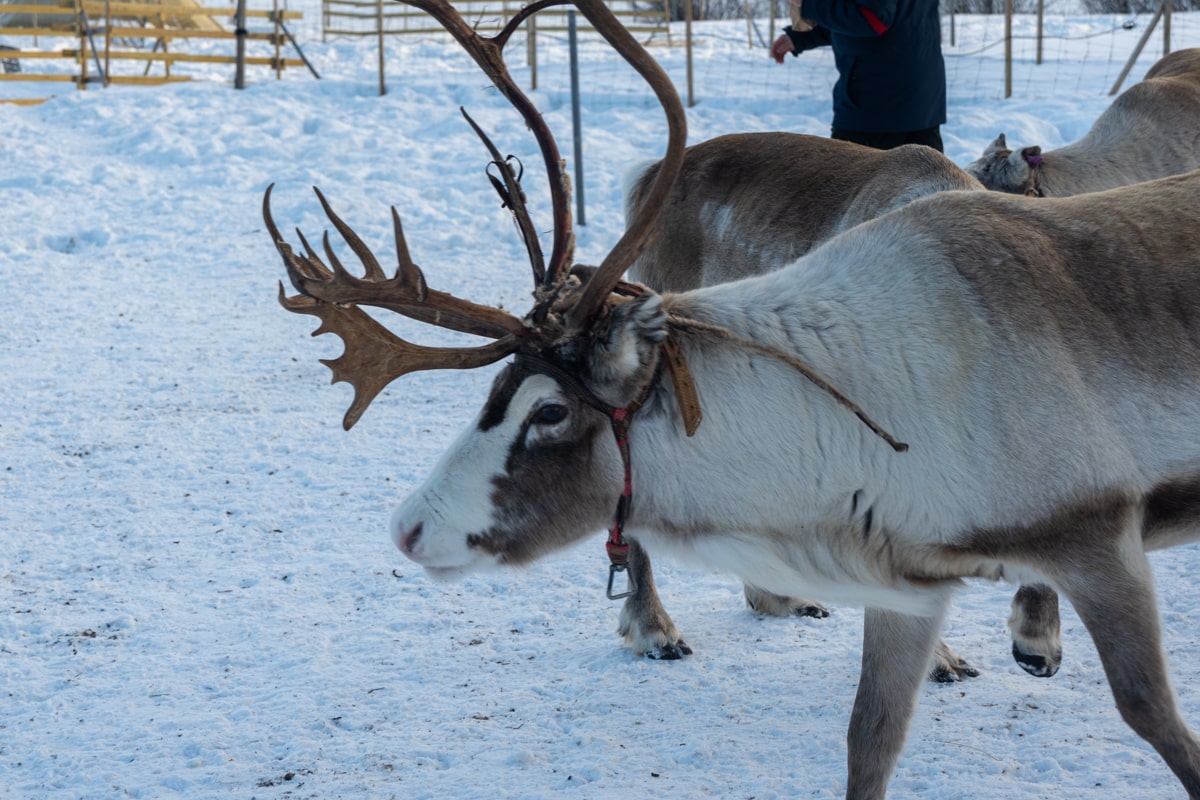
At the end of the tour, you can also see (mainly in winter) reindeer from Sámi herds. They’re very tame, so you can watch them and even pet them.
At the museum entrance, in the store, you can also buy lichen, their main food, to feed them.
You’ll notice that these reindeer are quite small, but their feet are wide, making it easier to walk in the snow and dig for food.
Souvenir shop
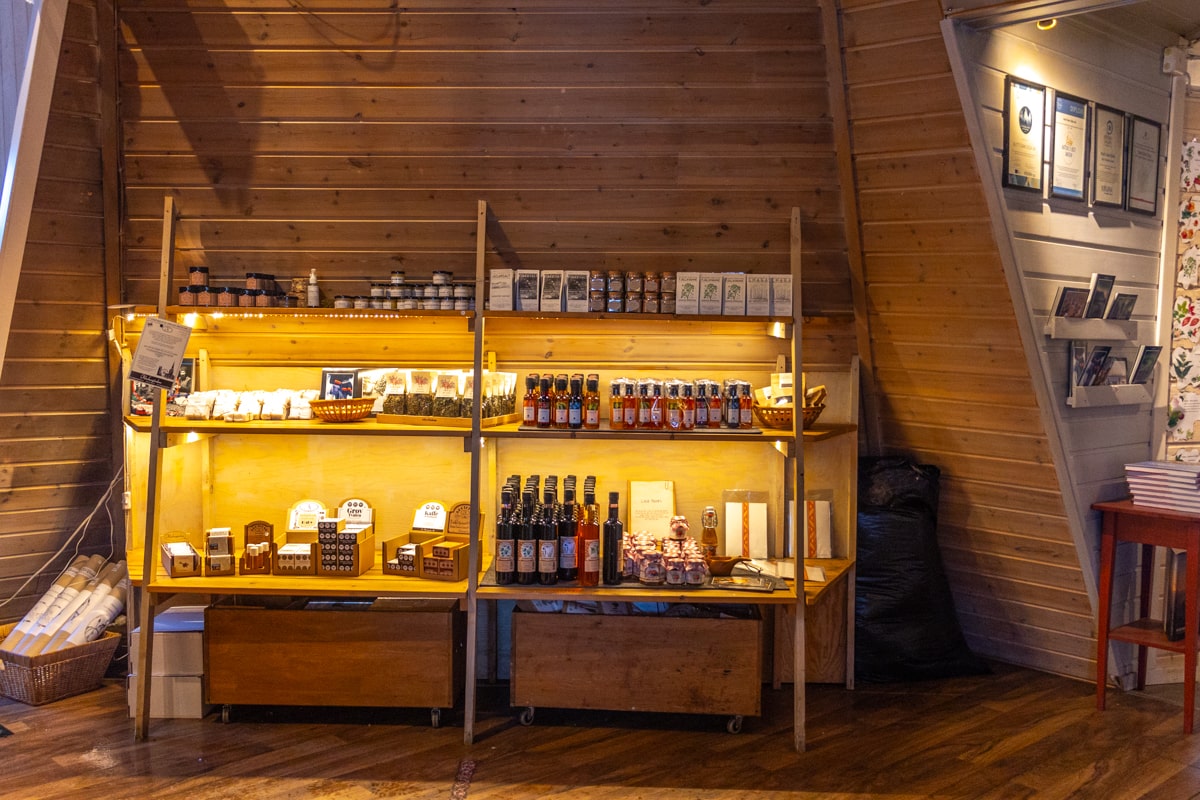
At the entrance to the museum, where you buy your tickets, next to the Ovttas restaurant, you’ll find a charming little shop stocked with handicrafts and other items related to Sámi culture.
Wooden objects, cosmetics, knives, food and accessories… Everything is designed to immerse you in this Arctic world. What’s more, by buying these handicrafts, you’ll be supporting the local population.

Ovttas restaurant
Next to the open-air museum is a traditional restaurant, Ovttas. Set in a large traditional tent, it has big wooden tables to gather around.
Warmed by a big open fire, you can relax and order your meal: reindeer burger, traditional soup or hot lingonberry juice. You’ll enjoy discovering the flavors of this Arctic cuisine.
Recipes and ingredients are seasonal, and meals are cooked on site. You can go there for lunch, dinner and even the famous fika, a Swedish tradition of getting together over coffee and pastries.
Vegetarian and vegan options are also available.


Who are the Sámi?
The Sámi are an Indigenous people living in Lapland (Sápmi) and the only recognized Indigenous people in the European Union. Their homeland stretches across four countries: Norway, Sweden, Finland and Russia. Today, there are around 80,000 Sámi spread throughout Lapland.
This Indigenous people has a rich history and culture dating back thousands of years. Indeed, they are considered one of the oldest peoples in Europe.
Over the ages, they have succeeded in developing a culture and way of life adapted to the harsh Arctic environment in which they live. Reindeer herding plays a central role in their traditional way of life, providing meat, milk and materials for handicrafts.
It’s a particularly important animal for this community, which elevates it to symbolic status.
There are several Sámi languages, depending on the region (Northern Sámi is the most widely spoken), but because of past assimilation policies, not all Sámi speak them. Their culture is rich in tradition and art.
They are known for their joik, a form of traditional singing that is an important means of cultural expression. They are also known for their colorful traditional clothing, as well as for their handicrafts, called duodji: weaving, jewelry and carved wooden objects. The revitalization of the Sámi language and culture is an important issue for the community.
Over the centuries, the Sámi have faced many challenges and assimilation policies. Modernization, urbanization and environmental change have also had an impact on their traditional way of life.
In recent years, however, there has been a revival of pride in Sámi identity, with efforts to preserve and promote their culture, language and rights as an Indigenous people.
Sámi organizations, political movements and initiatives have been created to represent and defend the interests of this people. Issues such as their land rights, natural resource management and environmental preservation are at the heart of the Sámi community’s concerns.
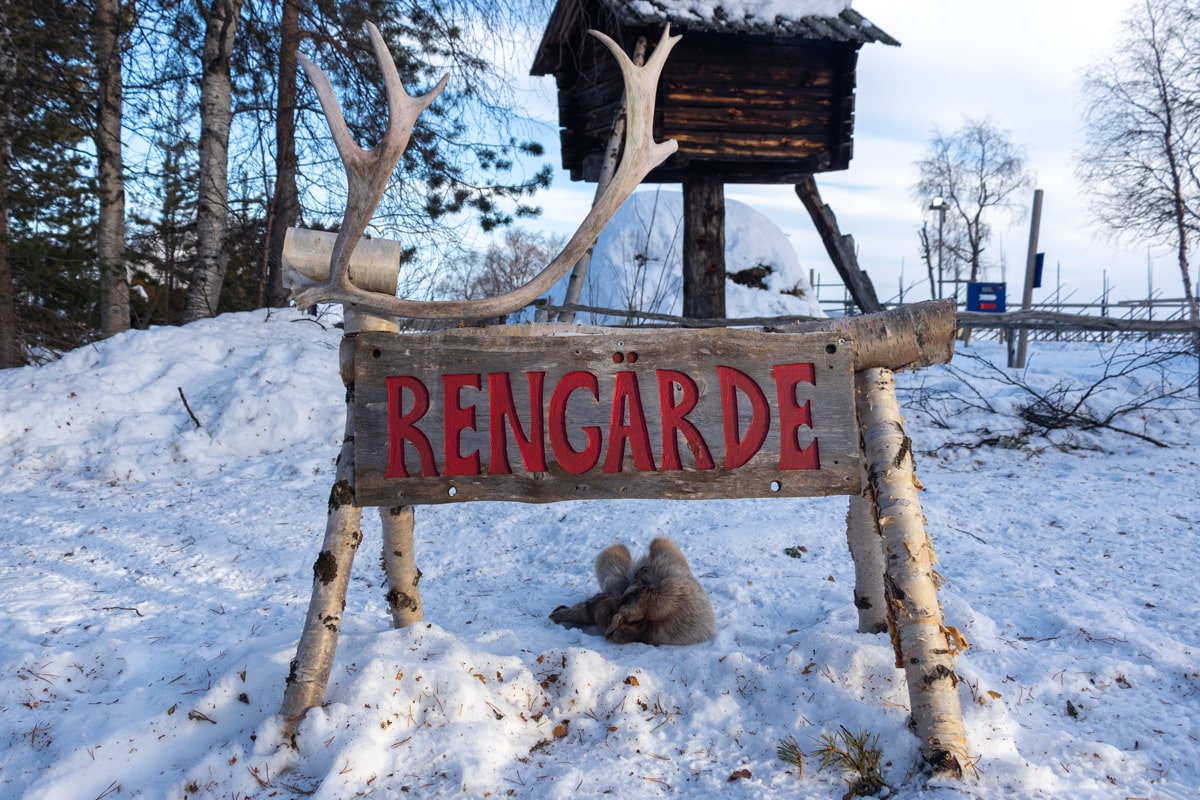
That’s it for our guide to the Sámi Museum in Jukkasjärvi. It’s a very enjoyable cultural visit, and you’ll love learning more about this little-known indigenous people, so rich in history and tradition.
With its museum, souvenir shop and restaurant, you’re sure to have a great time in this place full of history.


