Kiruna, located about 145 kilometers north of the Arctic Circle, has a very special climate. In fact, Swedish Lapland is a destination that requires special preparation for those who want to go there, especially during the winter months.
In this guide, we detail the essential information you need to know, season by season, to decide when to go to Kiruna.
Key facts before choosing the best time to visit Kiruna
Getting there
Kiruna is a small town with year-round flights from Stockholm (plus a few seasonal routes from other European cities in winter); from most other countries you’ll need a connection, and layovers can sometimes be very long (up to a day)!
We advise you to use a flight comparison site to optimize your travel time and choose when to go.
The climate
As mentioned above, the climate in Kiruna can be very peculiar at times.
From icy winters to rainy summers, here’s what you need to know to prepare for your trip to Swedish Lapland.
Sunshine
Kiruna’s geographical location gives it a very particular daylight pattern, typical of the far north.
From the midnight sun to the polar night, this article details the best times to go.
The northern lights
A light phenomenon seen mainly in the polar regions and much sought-after by travelers to the far north: here are all the tips you need before you go hunting for them in Kiruna.
Things to consider
If you’re planning a trip to the Kiruna area, you probably know that the region’s climate can be extreme. Here’s what you need to know before booking your vacation in Kiruna:
Crowds
Depending on the season, Kiruna offers a wide range of outdoor activities. In summer, the region is ideal for hiking. But in winter, you can enjoy dog sledding or snowmobiling.
Swedes are very fond of this destination during the summer months. June, July and August are the busiest months for hotels and accommodation in Kiruna.
However, the region also attracts many foreign tourists during the winter months. It’s clearly during this season that people generally choose to visit Kiruna. They come to enjoy the snow-covered landscapes and related activities.
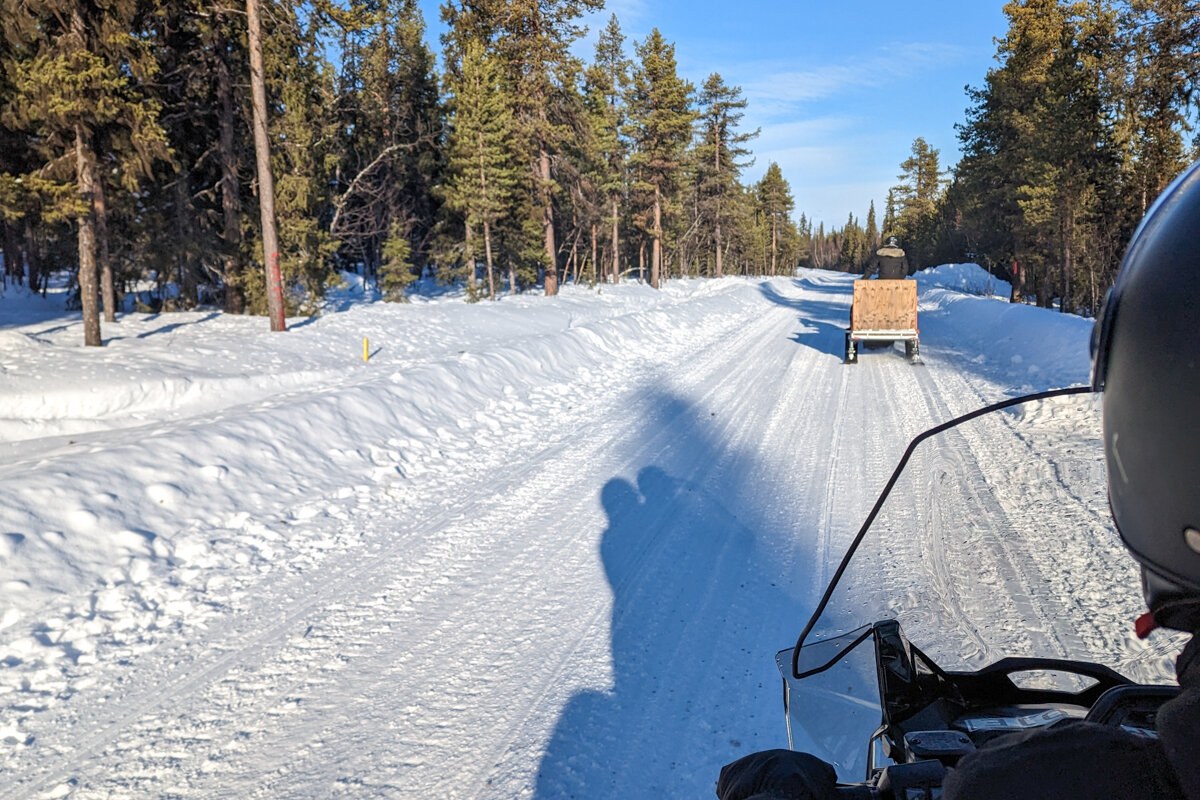
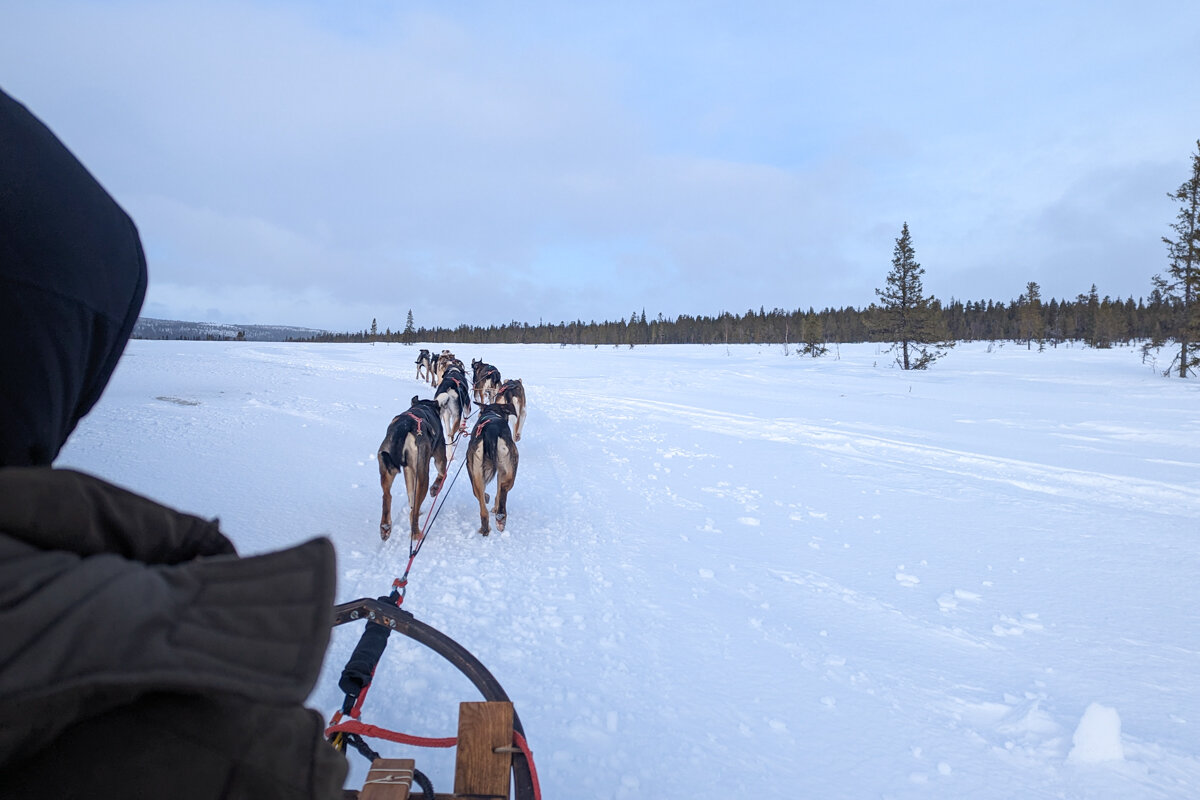
Visitor numbers in Kiruna are moderate on average, with peaks in July and December. Still, don’t wait too long to book your accommodation and activities, as you may not be able to do everything you’ve planned!
Sunshine
Located at the 68th parallel, about 145 kilometers north of the Arctic Circle, Kiruna has its own unique seasons. The Sami, the Indigenous people of Lapland, traditionally count 8 seasons a year.
In fact, from about mid-December to early January, the sun doesn’t rise at all. This phenomenon is known as the polar night, and forces locals to adapt to the absence of sunshine.
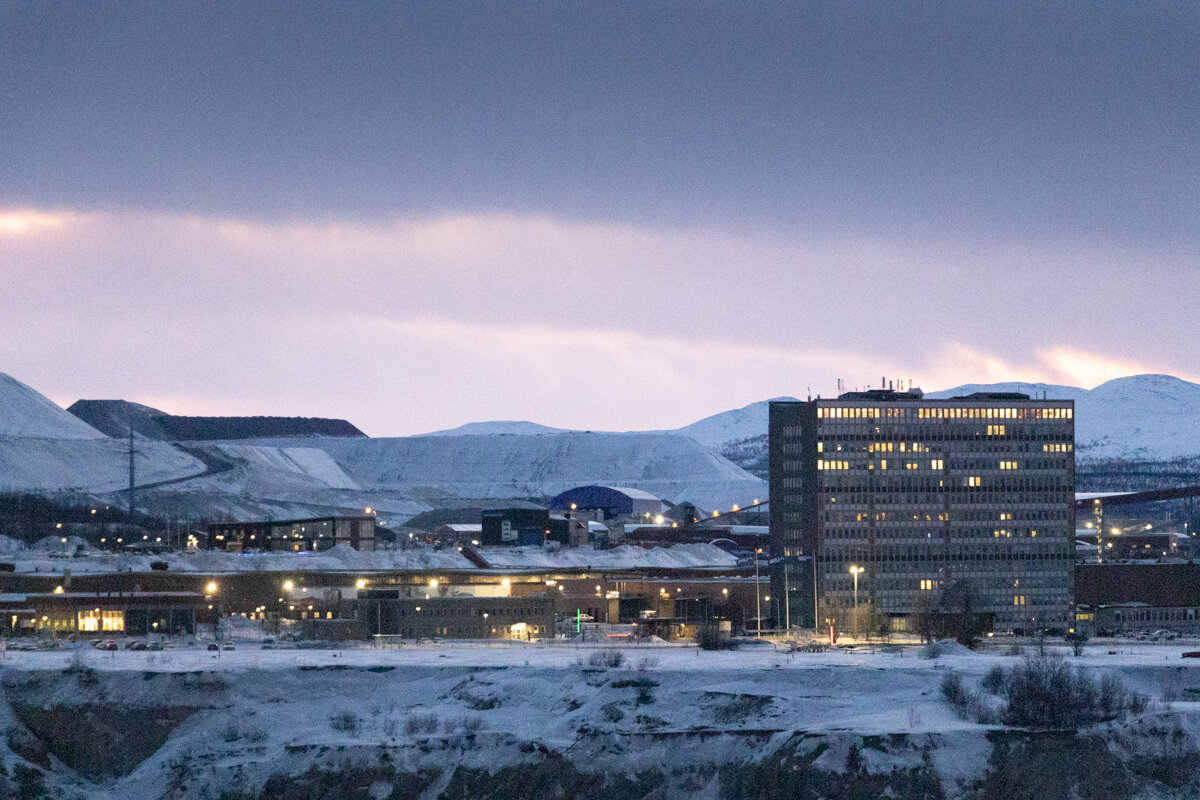
Conversely, for around 50 days between late May and mid-July, you can witness the phenomenon of the midnight sun or polar day. During this period, the sun never sets.
What’s more, from mid-April to the end of August, there are white nights. Although the sun sets, it’s never completely dark.
Temperature and rainfall
Kiruna enjoys a cold continental climate, with icy winters and mild summers. Occasionally swept by arctic winds, the region can experience extreme temperatures.
Over the course of a year, temperature variations are very significant. During the coldest months, from December to February, temperatures are always below freezing, ranging between -5°C and -20°C (23°F to -4°F).
For example, Kiruna’s record low is below -42°C (-44°F)! Between June and August, on the other hand, you can enjoy milder temperatures, between 5°C and 20°C (41°F to 68°F).
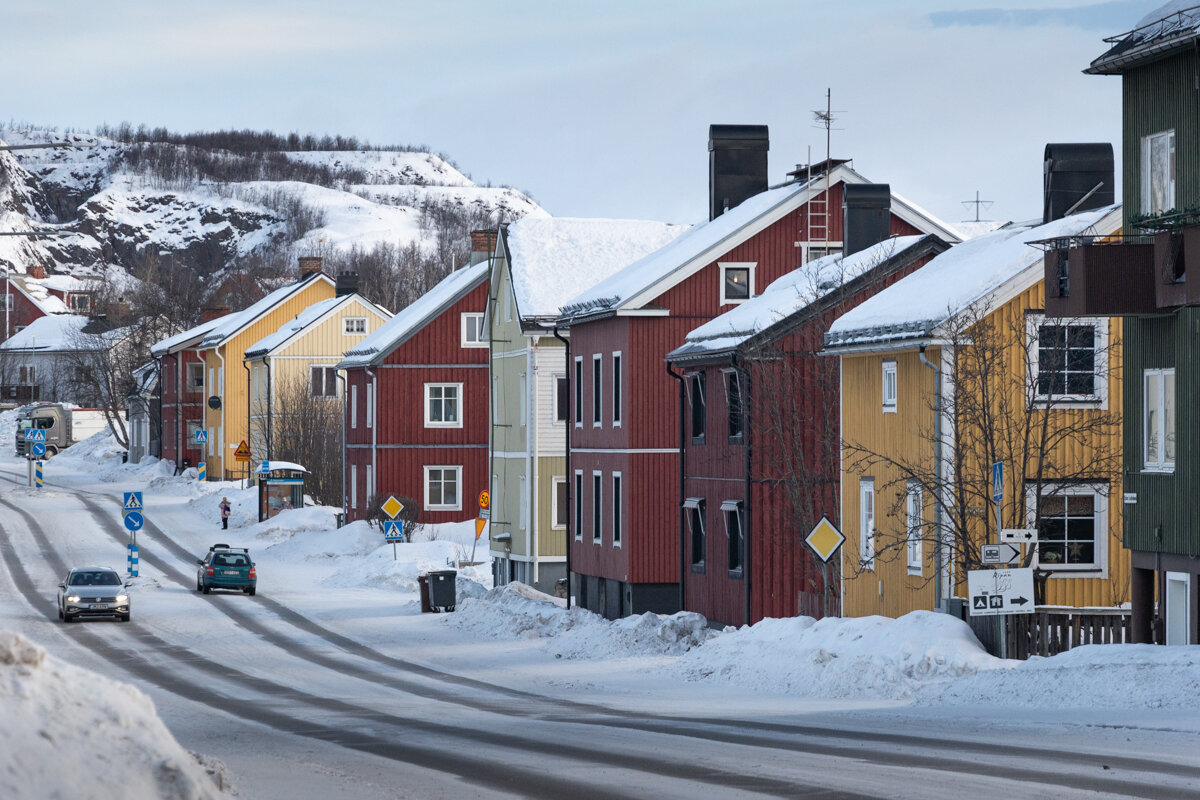
Note, however, that although the climate is fairly dry overall, summer is the rainiest season in the Kiruna region. Consider whether this might bother you before you book your trip!
The best time to visit Kiruna to see the northern lights
First of all, what are the northern lights? Also known as the aurora borealis, they are a physical phenomenon caused by the collision of electrically charged solar particles with the atmosphere. Their colors depend on the gases (oxygen, nitrogen) in the atmosphere and on altitude, from green to violet to red.
Of course, the appearance of these luminous trails depends on a whole host of conditions: clear skies, geomagnetic activity, luminosity… To have a chance of seeing them, however, you need to travel to Kiruna between late August and mid-April.
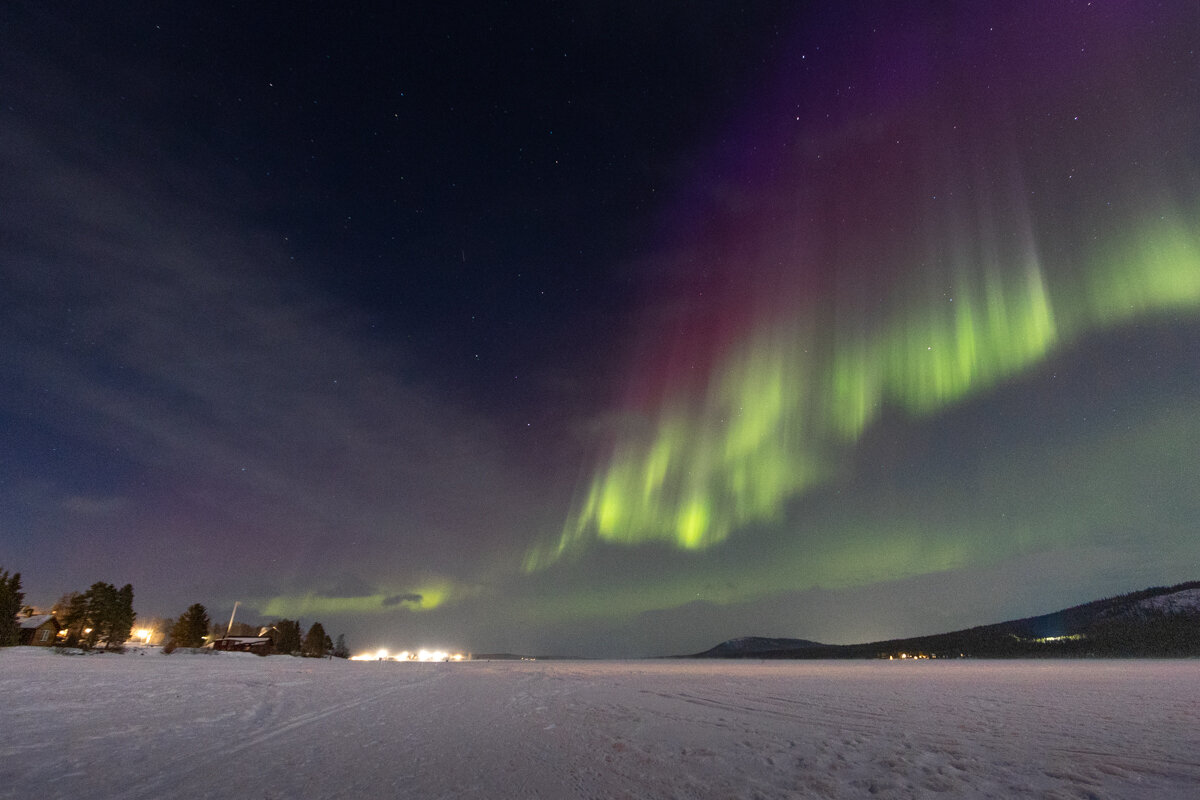
The best time to see them is between 9 pm and 2 am. In theory, the most impressive appearances take place between 10 pm and 11 pm.
Note that the best way to see them is to check the aurora forecast online or in an app (there are several free ones). Then head to an open area with as little artificial light as possible and hope to catch a glimpse. If you’re lucky, enjoy the show, because sometimes they don’t last very long!
To find out more, take a look at our guide to watching the northern lights in Kiruna.
Because of these special conditions, we advise you to think carefully about your travel dates when choosing when to go to Kiruna. They will shape your whole itinerary.
So, if you want to go hiking or rafting, go during the summer months. But choose the winter months if you want to go snowmobiling or hunt for the northern lights! In any case, whatever the season, if you want to enjoy outdoor activities in Swedish Lapland, Kiruna and the surrounding area, especially Abisko, is the perfect destination!


